

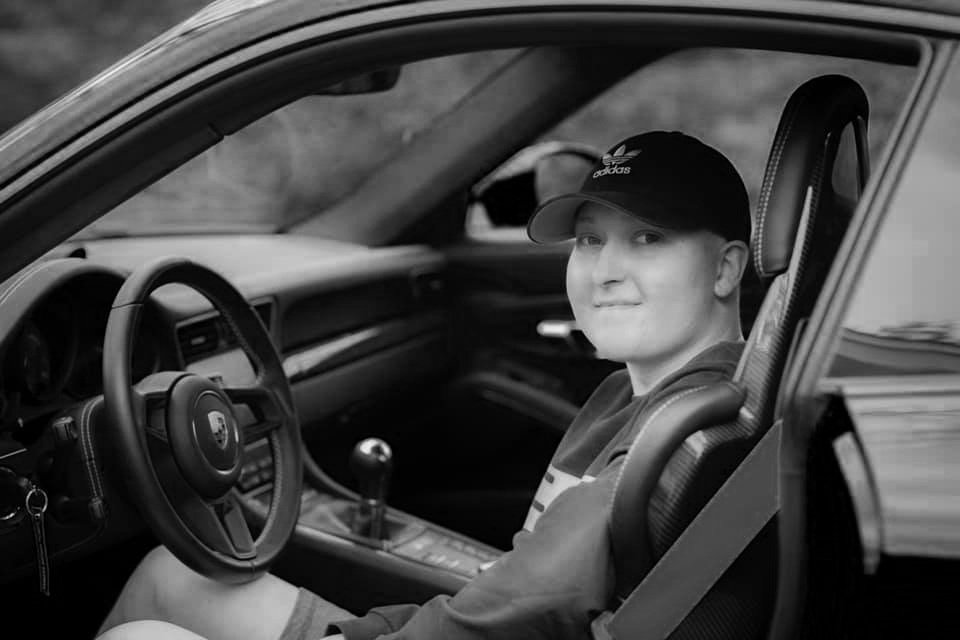
EWING SARCOMA IS RELENTLESS.
BUT SO ARE WE.
WHAT IS EWING SARCOMA?
Ewing Sarcoma is an aggressive form of bone cancer that typically affects kids and young adults. We have to find a lasting cure.
Common Questions About Ewing Sarcoma
-
The symptoms of Ewing Sarcoma are often mistaken for a sports injury or growing pains. And because Ewing’s is most commonly found in active, growing, kids and young adults — sports injuries are super common.
If you or your child have unexplained persistent pain — urge your medical provider to order imaging.
The Most Common Symptoms of Ewing Sarcoma.Pain: Persistent pain, often localized in the affected bone or surrounding tissues, is a common symptom. The pain may worsen at night or with activity.
Swelling or a Lump: A noticeable lump or swelling may develop in the area where the tumor is located. For some tumor locations, swelling may not be externally apparent.
Other Symptoms May Include:
Numbness/TIngling: Tumors on or near the spine may compress nerves causing nerve pain, numbness or persistent tingling in distant parts of the body.
Limited Range of Motion: If the tumor affects the joints or nearby tissues, it can lead to stiffness and a reduced range of motion in the affected area. Fever: In some cases, warriors may experience fever without an apparent cause.
Fatigue
Unexplained Weight Loss
Ewing’s diagnoses are frequently missed — so if something isn’t adding up or feeling right in your gut — seek additional care or second opinions. -
Diagnosing Ewing Sarcoma typically involves a combination of medical procedures and tests.
Imaging Studies: X-rays, CT scans, MRI scans, and bone scans can provide detailed images of bones and soft tissues, helping identify any abnormalities. PET scans can identify the extent of the disease in the body.
Biopsy: If a tumor is detected on imaging, a biopsy quickly follows. Ewing Sarcoma has different treatment plans than other sarcomas, like Osteosarcoma, so it’s important to get a specific diagnosis before treatment can begin. During a biopsy, a small sample of the tumor is removed, either through a needle or during surgery. This sample is then examined under a microscope by a pathologist to arrive at a diagnosis.
***If you are undergoing a biopsy of a suspected sarcoma, we urge you to look into the IN:Formation Project to get the most detailed information about your tumor. This information could influence treatment decisions. Generally, it is much more detailed than what most hospitals offer for diagnostic biopsy. ***
Bone Marrow Aspiration and Biopsy: Since Ewing Sarcoma can sometimes spread to the bone marrow, a sample of bone marrow may be taken through aspiration and biopsy to check for the presence of cancer cells. -
There is no known cause for Ewing Sarcoma. There’s no known familial, environmental, dietary, or lifestyle cause. There is no known way to prevent or predict it. Ewings seems to be a randomly occurring cancer.
All cancers are genetic in the sense that a miscoded gene is driving the growth of cancer cells. But that is not the same as something being hereditary (a disease that runs in families). There’s no hereditary link for Ewing Sarcoma. It's caused by a random genetic event at the cellular level
It’s confusing because while it’s a genetic event — people often associate “genetic” with heredity. And there’s no hereditary link for Ewing’s Sarcoma. Rather, it’s caused by a random genetic event at the cellular level in rapidly growing kids.
To break it way down… Your cells have a set of instructions, like a recipe, that tell them how to operate. These instructions are coded in genes. In some cases, these instructions can get mixed up.In every human body, there's a special gene called EWS that's supposed to do a certain job. But because of a random mix-up, it gets combined with another normal gene called FLI1, forming EWS-FLI1 combo. EWS-FLI1 is like a new, unexpected ingredient that gets added to the recipe. And it’s not good.
This new combination of genes gives the cells the wrong signals. Instead of following the normal recipe for growth and development, the cells start growing in a way they shouldn't.
Over 90% of Ewing Sarcoma cases have a EWS-FLI1 translocation. In the remaining 10% of cases, EWS gene has a different fusion partner such as ERG, ETV1, or EA1F, among others.
-
Ewings Sarcoma is considered a childhood cancer. Most hospitals follow the Children's Oncology Group protocol, consisting of chemotherapy and surgery and/or radiation. This is commonly referred to as “Frontline Treatment.”
CHEMOTHERAPY: The chemotherapy regimen is abbreviated “VDC/IE.” The first cycle combination includes vincristine, doxorubicin, and cyclophosphamide. The second drug combination includes ifosfamide and etoposide. The cycles are alternated - generally for 14 cycles total over approximately 9 months. Most warriors are inpatient for chemotherapy, though some hospitals offer outpatient options.SURGERY: Many patients undergo surgery to remove the tumor. Generally, chemotherapy helps shrink tumors to make surgery more successful. Some surgeries spare the limb - called Limb Salvage surgery (LSS), and in some cases, amputation is recommended.
RADIATION THERAPY: Some warriors receive radiation therapy as part of their frontline therapy, with or without surgery. Radiation can help shrink or kill tumors, especially in hard-to-resect areas, like the lungs, spine, and brain.
Your medical team will help you decide the best course of treatment for the battle ahead. You may have some choices along the way, and treatment plans evolve throughout the fight. Second opinions are useful to help give you confidence and weigh options. -
If Ewing Sarcoma comes back after initial treatment, it is referred to as a relapse or recurrence. Dealing with recurrent Ewing's sarcoma can be challenging as most treatments are considered experimental. The approach to managing your case depends on several factors:
Location and Extent of Recurrence
Previous Treatments: The types of treatments a warrior has received before the relapse play a role.
Timing of Recurrence: If the recurrence happens shortly after the initial treatment, it might be treated differently than if it occurs after a longer period of remission.
Overall Health of the Patient: If a person is in good health, they may be better able to tolerate more intensive treatments.
Treatment options for recurrent Ewing Sarcoma may include a combination of surgery, radiation therapy, chemotherapy, or stem-cell transplants. Clinical trials may be considered. In any case, the Little Warrior Foundation recommends getting second opinions from an oncologist who specializes in sarcomas.
-
Survivors of Ewing Sarcoma face long-term health impacts.
These are generally side effects from the harsh treatment, not the cancer itself. 90% of Childhood Cancer Survivors will experience long-term adverse health conditions. Some of these include:Secondary Cancers: There is a risk of developing secondary cancers later in life, particularly due to exposure to radiation and chemotherapy.
Heart and Lung Issues: Some chemotherapy drugs and radiation therapy may affect the heart and lungs, leading to long-term issues. Regular monitoring of cardiac and pulmonary function is required for years after treatment.
Bone and Joint Problems: Surgery to remove tumors or affected bone may result in long-term bone and joint issues, affecting mobility and function.
Fertility Issues: Chemotherapy drugs and radiation therapy may impact fertility. Individuals who have undergone treatment may experience difficulty conceiving later in life.
Emotional and Psychological Effects: Dealing with cancer and its treatment can have lasting emotional and psychological effects. Many survivors may experience anxiety, depression, or post-traumatic stress disorder (PTSD).
Cognitive Impairment: Some cancer treatments, particularly high-dose chemotherapy, may impact cognitive function. This is often referred to as "chemo brain" and can involve difficulties with memory and concentration. For some, chemo brain resolves after treatment. For others, it is long-term.
Peripheral Neuropathy: Chemo may cause nerve damage, leading to peripheral neuropathy, which can result in numbness, tingling, or pain in the extremities.
Hormonal Imbalances: Treatment may affect hormone production and regulation, potentially leading to issues such as hormonal imbalances or early menopause.
Warriors are closely monitored after treatment for both recurrence and these health impacts.Little Warrior Foundation is focused on funding treatments that ruthlessly attack cancer and tread lightly on healthy systems.
Childhood Cancer Research is Grossly Underfunded
The National Cancer Institute (NCI) only spends an average of 3.94% of its research funding on all pediatric cancers combined or about 195 million dollars annually.
It may seem like a lot, but the US military spends $250,000,000 on The Military every day.
Ewing Sarcoma is just 1 of over 100 types of pediatric cancers.
Prostate cancer (average age at diagnosis, 66 years), receives more research funding from NCI than all childhood cancers combined (average age at diagnosis, 8-years-old).

The government is giving the LEAST to the population that has the MOST on the line.
Since 2003, our federal investment in pediatric clinical trials has declined every single year. Pediatric cancers are increasing, and we’re decreasing our investment.
Since 1980, only four drugs have been approved in the first instance for use in children. (Meaning the drugs were designed for pediatric use). None of those drugs are used in the standard Ewing Sarcoma protocol.
During this time, hundreds of drugs have been approved for adults. Only 7 of those have been approved for use in children, too.

The standard treatment fails for too many kids.
For an adult with prostate cancer, if you have an adverse reaction to the standard chemo drugs, you have alternatives. If you find that the cancer isn’t responding to that drug, there’s an alternative.
For kids with unresponsive or relapsed Ewing Sarcoma, there isn’t a great alternative waiting in the wings.
Plan B is more of a blindfolded half-court shot. And that’s not good enough.
Every kid’s Ewings battle is now our battle too. And we won’t settle until their treatment is a slam dunk.
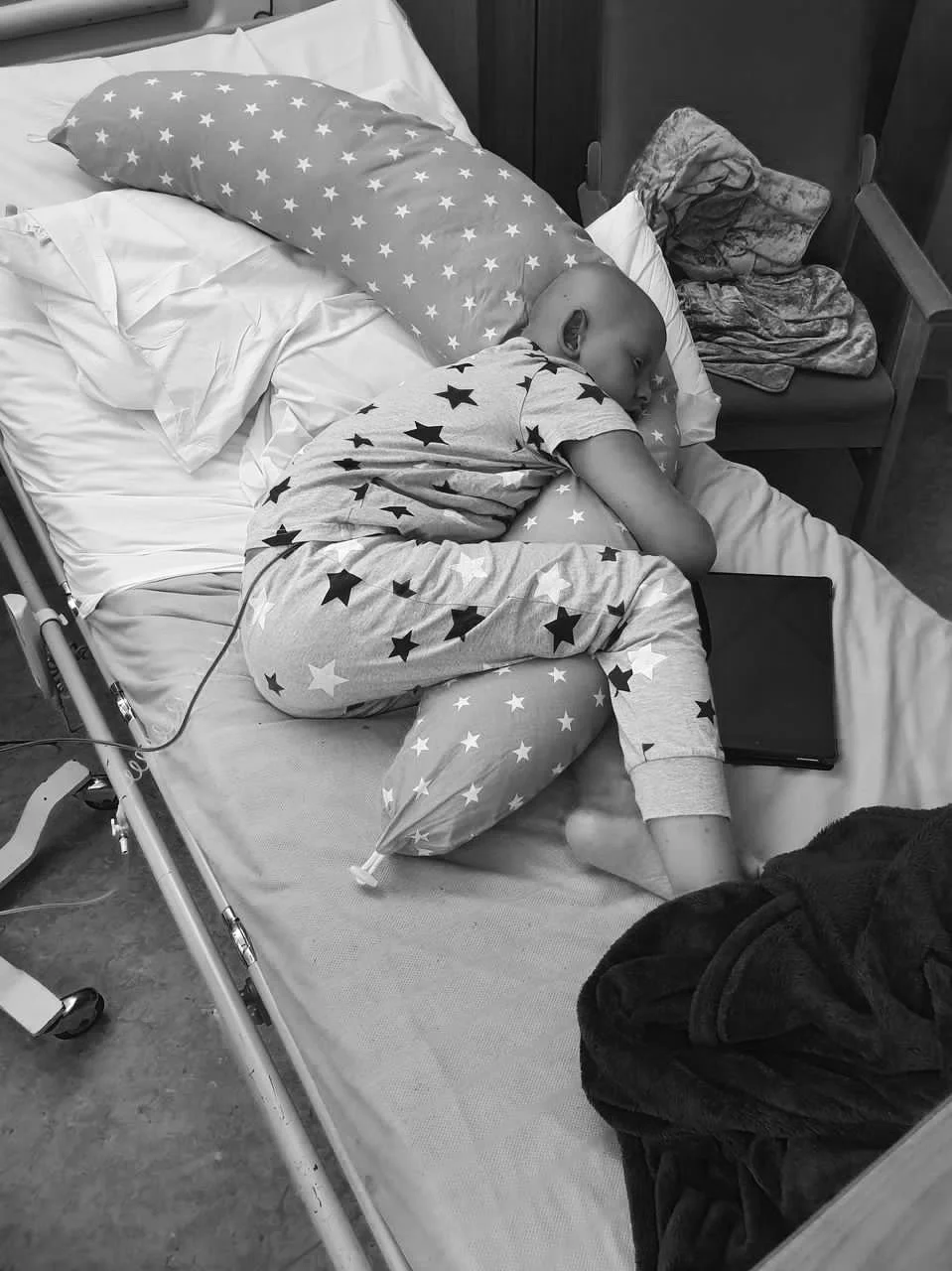
Kids get the most toxic chemo available
The Ewings protocol includes some of the harshest and most toxic chemo drugs on the market including one known as the Red Devil (doxorubicin). It’s notoriously damaging to the heart. But this poison is the best we’ve got.
We’re grateful for the chemo drugs we have, truly. But it’s truly gut-wrenching to have to make your kid SO SICK to get them better.
As a Foundation, and as a family, we have particular interest in targeted (and humane) therapies that attack cancer cells, and that leave normal cells unharmed, such as Immunotherapy and Molecular Therapy.

There is no finish line.
At least 25% of Ewing Sarcoma patients with initially localized disease will relapse after completing all planned therapy. The recurrence rate is 50-80% for patients with initially metastatic disease.
And if you can get Ewings to go away, and then stay away, survivors are still not out of the woods: More than 95% of childhood cancer survivors will have a significant health issue by the time they are 45 years old; these health-related issues are mostly commonly the side effects the harsh treatments.
While the current treatment may save some lives, it’s the same treatment that takes away their hair, their fertility, and their long-term health.
There’s got to be a better way. We truly believe it. And we’re hellbent on accelerating the research and development of a durable cure for Ewing Sarcoma and related sarcomas.
There’s hope on the horizon.
Immunotherapy and personalized medicine are transforming the treatment of many adult cancers. We’re focused on bringing these innovations directly to kids. They can’t wait.
What We’re Doing about it

SOURCES
NCI SPENDS 3.94%: National Cancer Institute, NIH/NCI Budget
MILITARY SPENDING: Newsweek: The Pentagon Spends $250 Million on War Everyday
COMPARATIVE STATS - PROSTATE CANCER:
NCI, SEER Age-Specific Rates and Counts for Cancer Sites by Single Year of Age at Diagnosis, Table 28.13
National Cancer Institute, SEER Median Age of Diagnosis 2008-2012, Table 1.12
National Cancer Institute, SEER Cancer Statistics Review 1973-1997 (NCI2000)
National Cancer Institute, NIH/NCIBudget
Centers for Disease Control and Prevention, Declines in Cancer Death Rates Among Children and Adolescents in the United States, 1999–2014
National Cancer Institute, SEER Cancer Statistics. Annual Report to the Nation 2018
DRUG APPROVALS:
Hirschfeld et al., 2003 Journal of Clinical Oncology, 2196, p. 1066-1073.)
RED DEVIL: The Oncology Nursing Society: Doxorubicin Is the Infamous Red Devil
RECURRENCE RATE: OncoTargets and Therapy: Management of recurrent Ewing sarcoma:challenges and approaches
HEALTH ISSUES: St. Jude Children’s Research Hospital, JAMA. 2013:309 [22]:2371-2381
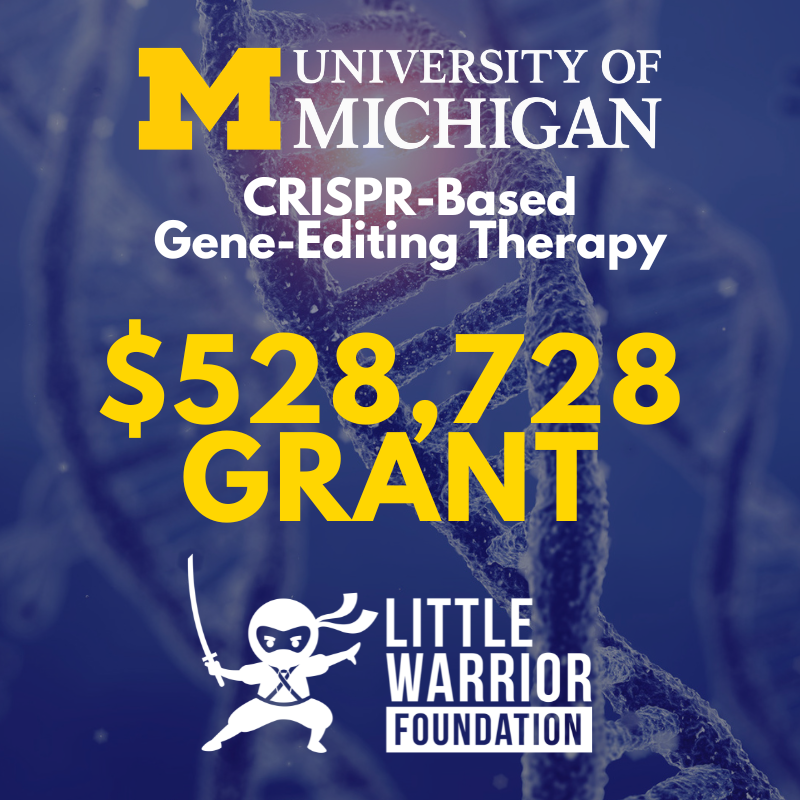
Big progress happens when we work together. 💛 Rocky Cares Foundation has awarded Little Warrior Foundation an incredible $80,000 grant to help advance KLIPP, a CRISPR-based therapeutic, and BCC023 DFMO clinical trial—two promising approaches in the fight against Ewing sarcoma.